Dog Harnesses: Are They Really for Every Dog?

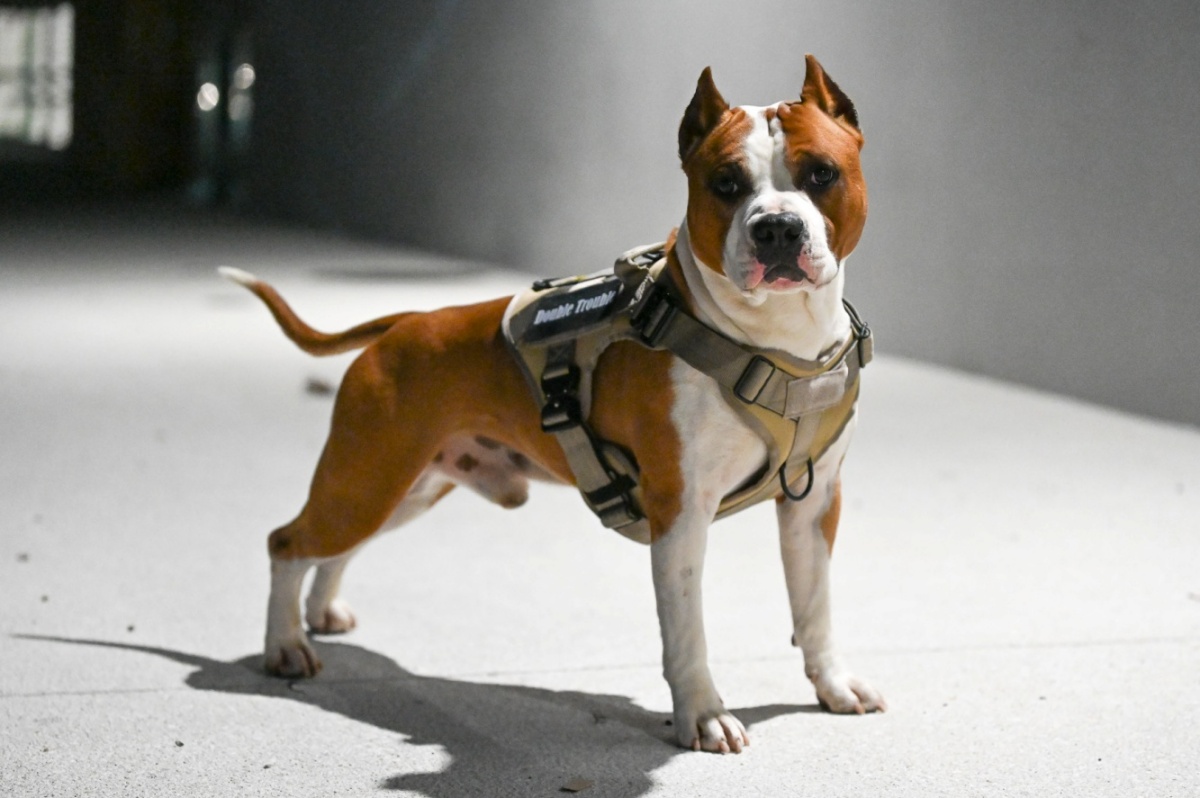
Dog harnesses are extremely popular these days, and it’s easy to see why. They are often marketed as a comfortable alternative to collars, promising better control and safety for every dog. But the truth is, harnesses are not automatically the right choice for every dog. Especially in serious training, working dogs, and protection sports, a harness is a tool with a very specific purpose. Using it incorrectly can actually slow down progress and confuse the dog.
A harness is not the right choice for every dog.
Harnesses are designed to distribute pressure across the dog’s body instead of the neck. This makes them particularly useful for dogs with neck sensitivity or medical issues, as well as for long walks, hiking, or tracking activities where comfort and freedom of movement are important.
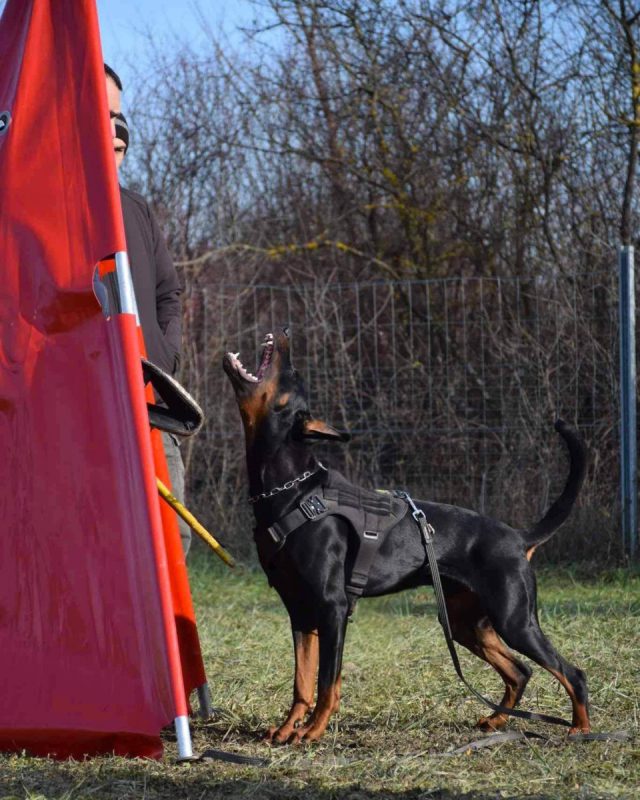
Harnesses for Protection and Defense Work
They are also invaluable in protection and defense training. In these situations, a harness allows the dog to engage their full body safely while giving the handler control over high-drive dogs.
It supports bite work, drive-building exercises, and controlled forward movement, signaling to the dog when it’s time to push and work versus staying calm and focused on obedience.
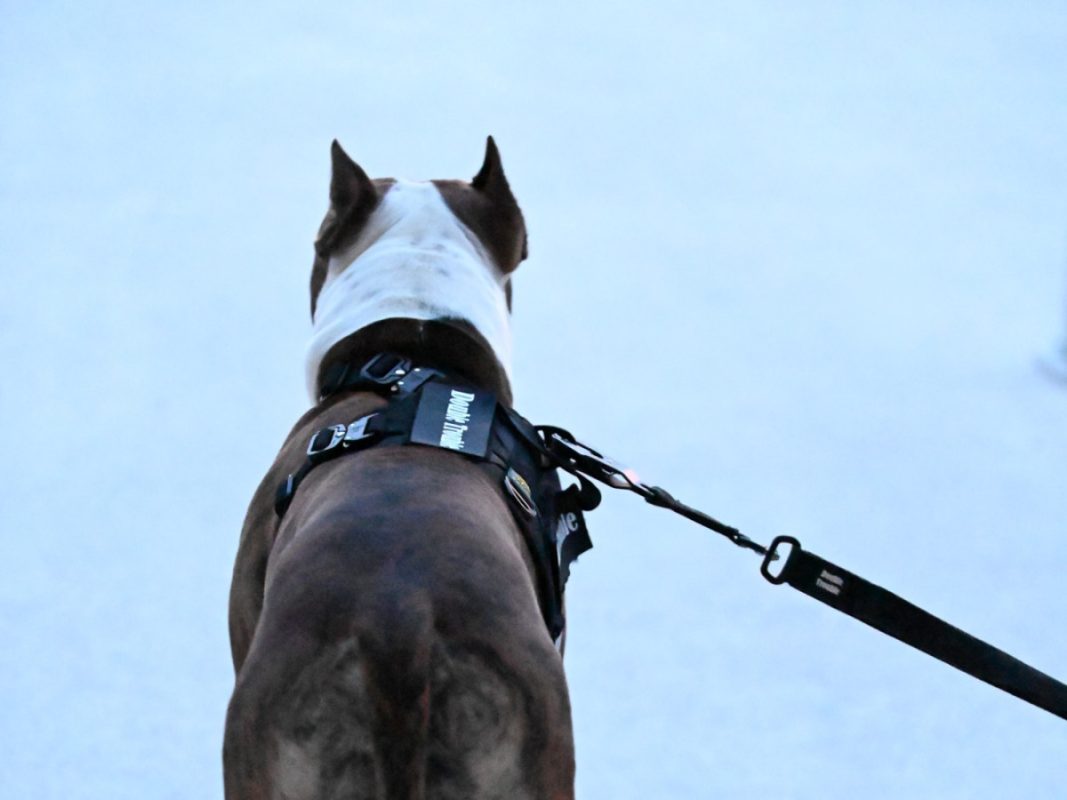
Why Design Matters in Dog Harnesses
Not all harnesses are created equal. Poorly designed harnesses can actually encourage pulling, because they activate the dog’s natural reflex to push against pressure. This can be confusing for everyday walks but is intentionally used in working dog training.
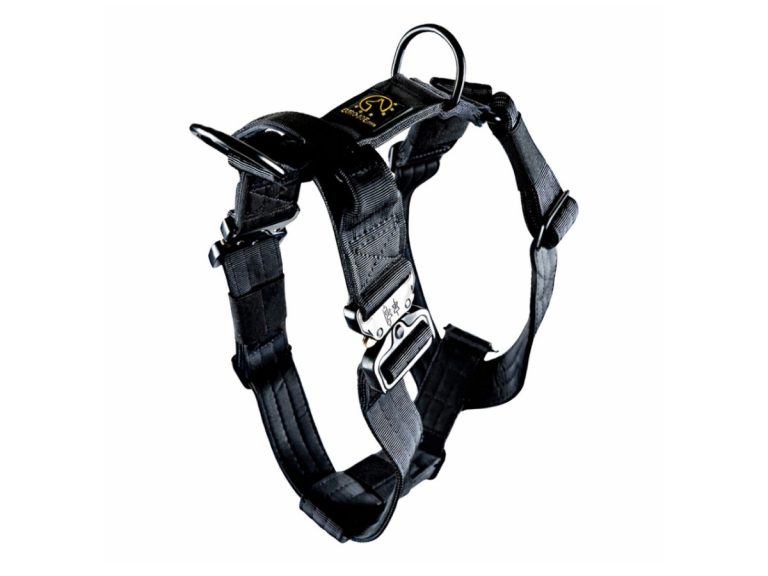
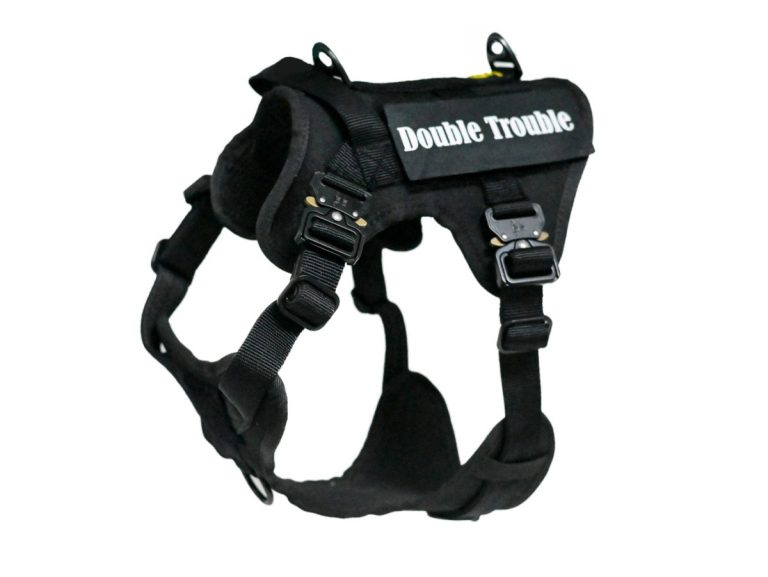
That’s why trainers carefully select harnesses based on the dog, the training goal, and the level of control required. For serious training, tactical harnesses like the Double Trouble Tactical Harness are preferred because they are built to handle pressure, provide stability, and allow handlers to maintain confident control when it matters most.
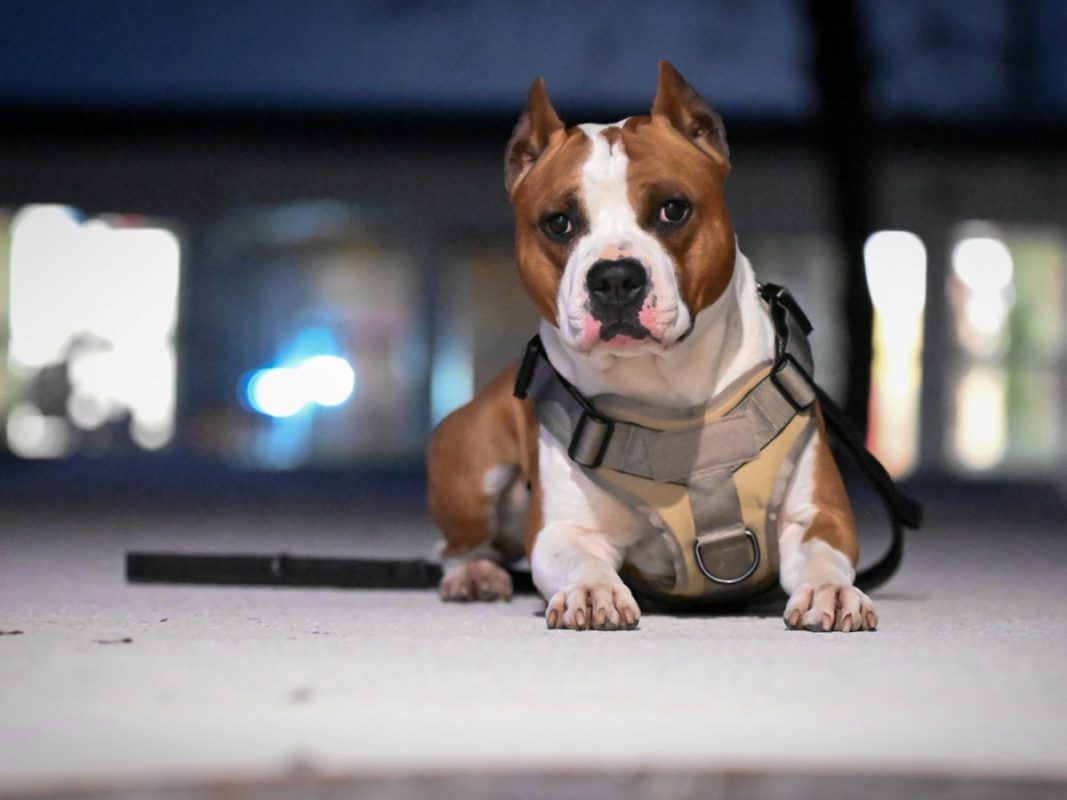
When a Harness May Not Be the Best Choice
However, harnesses are not always the solution. For dogs that already pull excessively, for basic obedience training such as heel work, or for inexperienced owners, a harness can sometimes make control more difficult.
In these cases, a correctly used collar often communicates more clearly with the dog and produces better results. The key is understanding when and how to use the harness so that it supports both the dog and the handler, rather than creating new challenges.
The Importance of a High-Quality Harness
High-quality training harnesses are designed to last, with durable materials, secure fits, control handles, and designs that allow full shoulder movement. They are built not just for comfort, but for safety, control, and effectiveness in real training conditions.
Harnesses are powerful tools when used correctly, making them ideal for working dogs, protection and sport training like IGP or IPO, and tracking exercises that require controlled pulling. But they remain a specialized tool rather than a universal solution, and understanding their purpose separates casual use from serious, effective handling.
Why Choose Double Trouble Harnesses
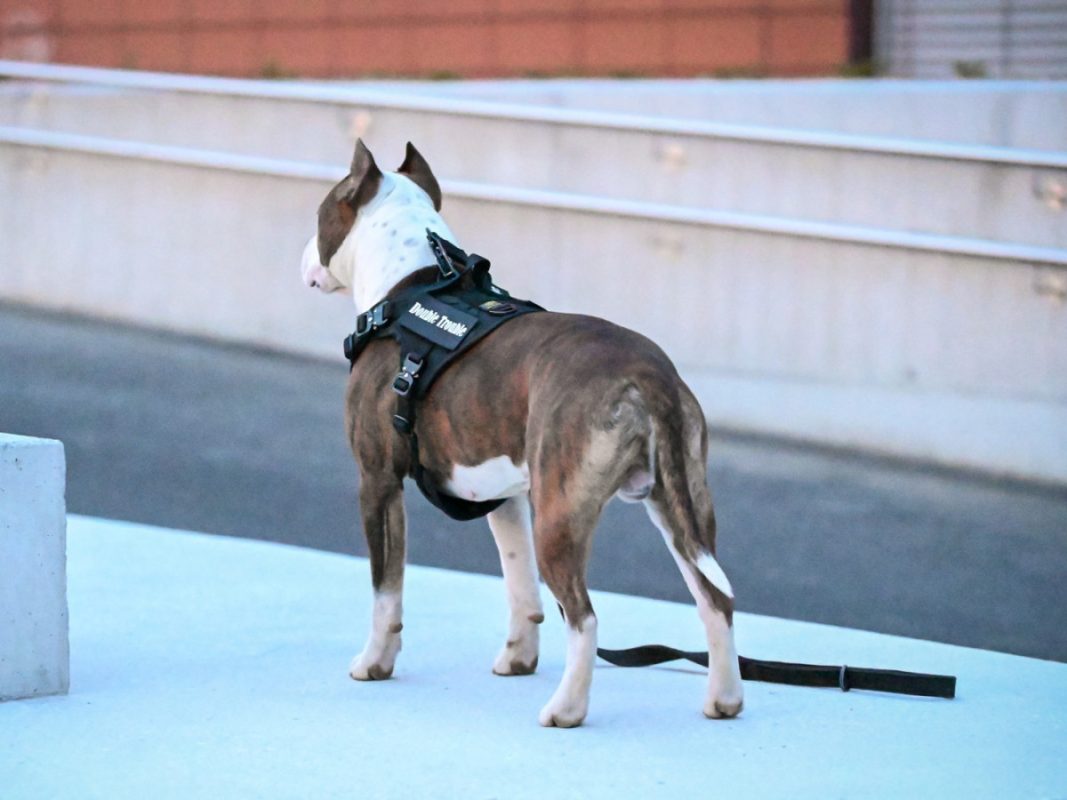
For those looking for a harness that truly meets the demands of serious training, Double Trouble Tactical Harnesses offer the perfect combination of strength, comfort, and control. Built with durable materials, reinforced stitching, and a handle for close control, these harnesses are designed to support high-drive dogs during training, protection work, or active outdoor activities. They give handlers confidence while keeping dogs safe and comfortable, making them an ideal choice for anyone serious about their dog’s training and performance.